
Logo designing is the process of creating a visual identity that represents a business or brand. A professionally designed logo helps improve brand recognition and creates a professional image. Custom logo designs are created according to business requirements and branding objectives.
What is Logo Designing?
Logo designing is the process of creating a unique visual identity that represents a business, brand, product, or organisation. A professionally designed logo communicates the nature of a business, creates brand recognition, and helps customers identify the brand across different platforms.
A logo acts as the visual representation of a business and helps create a professional impression among customers, clients, and business partners. It combines creative elements such as business name, typography, colours, shapes, icons, and design concepts to communicate the brand’s identity.
A professionally designed logo should be:
- Unique and meaningful
- Easy to recognise and remember
- Suitable for digital and print platforms
- Consistent with brand identity
- Aligned with business goals
The purpose of logo designing is to create a simple, memorable, and meaningful identity that reflects the values, personality, and vision of a brand. A well-planned logo helps businesses maintain consistency in their branding and communication.
Different businesses require different logo styles according to their industry, target audience, and brand message.
For example:
- Technology businesses may require modern and innovative logo designs.
- Professional service businesses may prefer simple and trustworthy designs.
- Startups may need creative and memorable logos to build their market identity.
- Agriculture and product-based businesses may require natural, trustworthy, and market-focused logo designs to represent their products and values.
A professionally designed logo can be used across multiple platforms, including:
- Business websites
- Social media profiles
- Digital advertisements
- Company presentations
- Business cards
- Product packaging
- Marketing materials
- Official business documents
A well-designed logo helps businesses create a consistent brand identity, improve customer recognition, and maintain a professional presence across online and offline platforms.
Importance of Logo Designing for Business Growth
A logo is often the first visual connection between a business and its customers. It represents the identity, values, and professionalism of a brand. A professionally designed logo helps businesses create a strong and consistent brand presence across digital and offline platforms.
Creates Brand Recognition
A unique logo helps customers identify a business easily and creates a memorable impression. When a logo is consistently used across websites, social media, advertisements, and business materials, it improves brand recall and helps customers associate the visual identity with the business.
Builds Professional Image
A professionally designed logo creates a positive first impression and reflects the credibility and seriousness of a business. It helps companies present themselves professionally before customers, investors, partners, and other stakeholders.
Supports Marketing and Branding
A logo becomes an essential part of marketing activities. Businesses use their logos on:
- Websites
- Social media pages
- Advertisements
- Brochures
- Presentations
- Promotional materials
A consistent logo across marketing channels helps businesses maintain a uniform brand appearance and improves customer trust.
Helps Create Brand Identity
A logo represents the personality, values, and vision of a business. The design style, colours, typography, and visual elements communicate the message a brand wants to deliver. A strong logo becomes an important foundation for building a complete brand identity.
Types of Logo Designing
Different businesses may choose different logo styles according to their industry, target audience, and branding requirements. A suitable logo style helps businesses communicate their identity effectively and create a memorable impression.
- Wordmark Logo A wordmark logo focuses on the business name using customised fonts and typography. It is suitable for businesses that want their name to become the primary identity and create direct brand recognition.
- Lettermark Logo A lettermark logo uses initials or shortened forms of a business name. It is commonly used by businesses with long names where a shorter and simpler identity is easier to recognise.
- Symbol Logo A symbol logo uses a unique icon, shape, or visual element to represent a brand. It creates a simple and memorable identity that helps customers recognise the business easily.
- Combination Logo A combination logo includes both text and graphical elements such as symbols or icons. It helps businesses communicate their brand name along with a visual identity.
- Abstract Logo An abstract logo uses creative shapes and design concepts to represent a business idea or brand message. It is suitable for brands looking for a modern, unique, and distinctive identity.
- Mascot Logo A mascot logo uses a character or illustrated figure to represent a brand. It helps businesses create a friendly connection with customers and is commonly used by food brands, education businesses, and consumer-focused companies.
- Emblem Logo An emblem logo combines text and symbols within a badge or structured design. It provides a classic and trustworthy appearance and is often used by institutions, organisations, and traditional businesses.
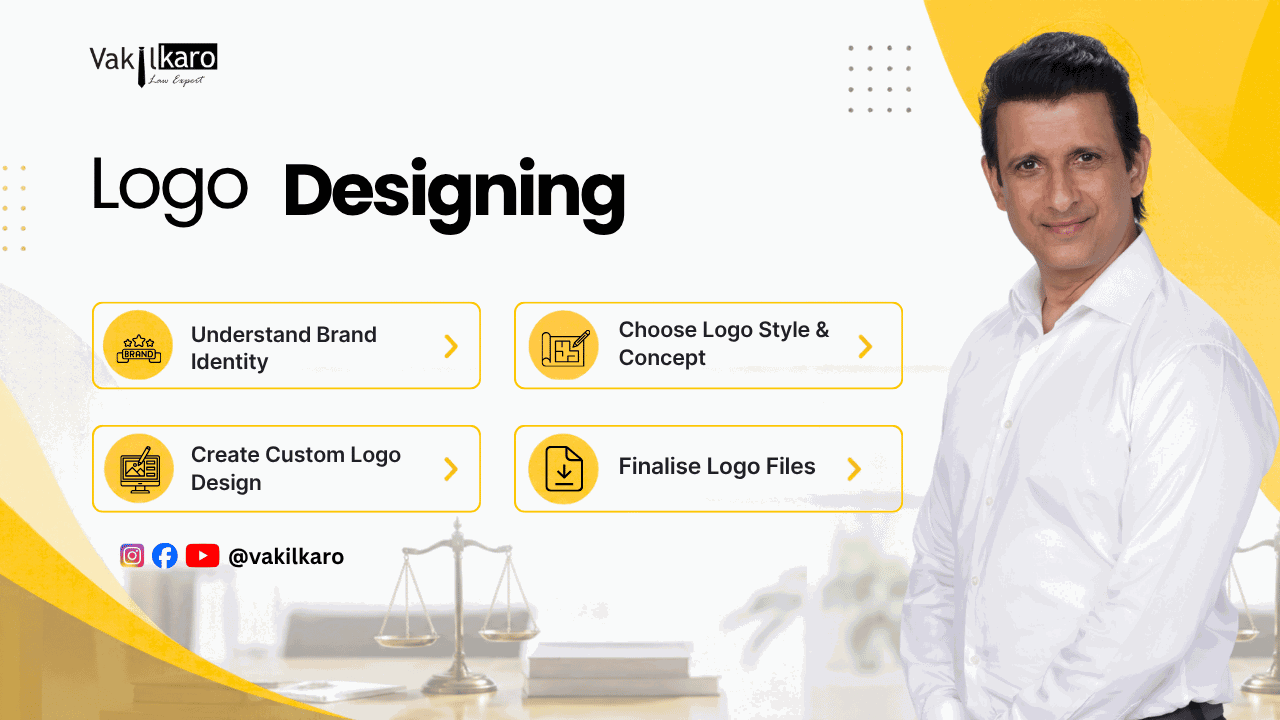
Logo Designing Process
A professional logo requires proper planning, creative understanding, and a clear process to ensure that the final design matches the business identity and branding requirements.
| Step | Process | Description |
|---|---|---|
| Step 1 | Understanding Business Requirements | The first step involves understanding business nature, industry type, target audience, brand message, and design expectations to create a suitable logo concept. |
| Step 2 | Research and Planning | Research is conducted to understand market trends, industry standards, and brand positioning. This helps create a relevant and effective logo design. |
| Step 3 | Concept Creation | Creative logo concepts are developed based on business requirements. The focus remains on visual appeal, brand relevance, simplicity, and professional appearance. |
| Step 4 | Design Development | The selected concept is converted into a professional logo using suitable colours, fonts, and design elements. |
| Step 5 | Review and Finalisation | The design is reviewed, required modifications are made, and final logo files are prepared after approval. |
Logo Designing for Different Types of Businesses
Every business has a different purpose, audience, and market position. A logo should represent the nature of the business and communicate the right message to customers.
Professional logo designing helps different types of businesses create a strong and consistent identity.
Logo Designing for Startups
Startups need a unique identity to establish themselves in the market.
A professionally designed logo helps startups:
- Create a first impression
- Build customer recognition
- Establish brand credibility
- Maintain consistent branding
A startup logo should be simple, memorable, and suitable for future business growth.
Logo Designing for Companies
Companies require professional branding elements to maintain a strong market presence.
A corporate logo should represent:
- Professionalism
- Trust
- Business values
- Industry position
A well-designed company logo can be used across websites, official documents, presentations, and marketing materials.
Logo Designing for New Brands
New brands require a visual identity that helps customers remember their products or services.
A customised logo helps create:
- Brand awareness
- Market recognition
- Customer connection
- Professional appearance
Logo Designing for NGOs and Organisations
NGOs and organisations often require meaningful logos that represent their objectives and values.
A suitable logo helps communicate:
- Purpose of the organisation
- Social mission
- Professional identity
- Public recognition
Logo Designing for Professional Services
Professional businesses such as legal firms, consulting firms, and financial service providers require logos that represent trust and reliability.
A professional logo helps create confidence among clients and business partners.
Logo Designing for Agriculture and Product-Based Businesses
Agriculture and product-based businesses require logos that represent their products, quality, and brand values. A suitable logo helps these businesses create a trustworthy identity and improve customer recognition.
A professional logo helps agriculture and product-based businesses:
- Represent their products and business values
- Create a strong market identity
- Build customer trust and recognition
- Maintain consistent branding across packaging and marketing materials
Logo Designing for Online Businesses
Online businesses require a strong digital identity to create recognition in the competitive online market. A professional logo helps maintain a consistent brand presence across different digital platforms.
A suitable logo helps online businesses:
- Create a professional online identity
- Improve brand recognition
- Build customer trust
- Maintain consistency across websites and social media platforms
Logo Design and Brand Identity
A logo is an important part of a complete brand identity. Along with a logo, other branding elements work together to create a consistent and professional image of a business.
| Brand Identity Element | Description |
|---|---|
| Logo Design | Creates the visual identity of a business and helps customers recognise the brand. |
| Colour System | Maintains consistency through selected brand colours and visual style. |
| Typography | Represents brand personality through fonts, text appearance, and design style. |
| Marketing Materials | Includes brochures, advertisements, presentations, and other promotional designs. |
| Website Branding | Helps create a professional online presence through consistent logo usage, colours, and design elements on websites. |
| Social Media Branding | Maintains a consistent brand identity across social media profiles, posts, and digital content. |
A professionally designed logo acts as the foundation of brand communication. A consistent brand identity helps customers recognise a business across different online and offline platforms.
Businesses can also combine logo designing with related services such as:
- Trademark Registration – For protecting eligible brand identity elements
- Company Registration – For establishing a legal business structure
- Website Development – For creating a professional online presence
Logo Designing vs Trademark Registration
Many businesses consider logo designing and trademark registration as the same process, but both serve different purposes. Logo designing focuses on creating a visual identity, while trademark registration provides legal protection for eligible brand elements.
| Basis | Logo Designing | Trademark Registration |
|---|---|---|
| Meaning | Logo designing is a creative process of creating a visual identity for a business, brand, product, or organisation. | Trademark registration is a legal process that provides protection to eligible brand elements under applicable trademark laws. |
| Main Purpose | The purpose is to create a professional representation and memorable identity for a business. | The purpose is to secure legal protection and ownership rights over registered brand elements. |
| Nature of Process | It is a creative and design-based process. | It is a legal registration process. |
| Focus Area | Focuses on design elements such as symbols, colours, typography, and brand visuals. | Focuses on protecting distinctive marks such as brand name, logo, symbol, and tagline. |
| Includes | Creating symbols, selecting colours, designing typography, and developing brand visuals. | Includes Creating symbols, selecting colours, designing typography, and developing brand visuals. Filing trademark application, examination process, replying to objections (if applicable), and registration of eligible marks. |
| Outcome | Creates a unique visual identity that represents the business. | Provides legal rights over the registered trademark. |
| Business Benefit | Helps improve brand recognition and creates a professional appearance. | Helps prevent unauthorised use and strengthens brand protection. |
Trademark Protection for Logo
After creating a professional logo, businesses may consider protecting their brand identity through Trademark Registration. A logo represents the visual identity of a business, and trademark protection helps secure legal rights over eligible brand elements.
Trademark protection can help businesses:
- Secure exclusive rights over the logo
- Prevent unauthorised use of the logo by others
- Build long-term brand value and recognition
- Strengthen legal ownership of the brand identity
A registered trademark can help protect:
- Brand Name
- Logo
- Symbol
- Tagline
- Other distinctive marks
Trademark applications in India are filed through the official trademark portal of the Government of India.
Information Required for Logo Designing
To create a suitable logo, basic information about the business, design preferences, and usage requirements is required. These details help in developing a logo that represents the brand identity and meets business objectives.
| Category | Required Information |
|---|---|
| Business Details | Business name, industry type, products or services, target customers, and brand objectives. |
| Design Preferences | Design Preferences Preferred colours, design style, logo type, reference ideas, and brand message. |
| Usage Requirements | Usage Requirements Website, social media profiles, printing materials, product packaging, advertisements, and business documents. |
Important Factors Considered During Logo Designing
A professional logo should not only look attractive but also communicate the right brand message. While designing a logo, different factors are considered to ensure that it represents the business effectively and remains useful across different platforms.
Important factors considered during logo designing include:
- Simplicity A simple logo is easier for customers to understand, remember, and recognise. Clean and clear designs also work better across different digital and offline platforms.
- Uniqueness A logo should have a distinct appearance to create a separate identity in the market. Unique designs help businesses differentiate themselves from competitors and build brand recognition.
- Scalability A good logo should maintain clarity and quality in different sizes. It should work effectively on: Small social media icons ,Websites ,Largebanners ,Printed materials
- Relevance The design should match the nature of the business, industry, and target audience. Colours, fonts, and visual elements should communicate the appropriate brand message.
- Digital Compatibility A modern logo should be designed considering digital usage requirements. It should maintain clarity and appearance across websites, social media profiles, mobile screens, online advertisements, and other digital platforms.
Benefits of Professional Logo Designing
A professionally designed logo helps businesses create a strong brand identity, improve customer recognition, and maintain a professional presence in the market. A well-planned logo supports branding activities and helps businesses communicate their values effectively.
Key benefits of professional logo designing include:
- Creates a Strong First Impression A logo is often the first visual element customers notice about a business. A professional logo helps create a positive impression and reflects the credibility of the brand.
- Improves Brand Recall A unique and memorable logo helps customers identify and remember a business easily. Consistent use of the logo across different platforms improves brand recognition.
- Provides Consistent Branding A single professional logo helps businesses maintain a consistent visual identity across websites, social media, advertisements, and marketing materials.
- Supports Business Growth A strong visual identity helps businesses present themselves professionally and build recognition while expanding their products or services.
Common Logo Designing Mistakes to Avoid
Businesses should avoid common mistakes while creating a logo, as these mistakes can affect brand recognition, professionalism, and long-term usability.
Using Complicated Designs
Overly complex logos can be difficult to understand, remember, and use across different platforms. A simple and clear design helps customers recognise the brand easily.
Copying Existing Designs
A copied or highly similar logo can create brand confusion and may lead to legal concerns. Businesses should focus on creating unique designs that represent their own identity.
Choosing Unsuitable Colours
Colours play an important role in communicating brand personality and message. The selected colours should match the business category, target audience, and overall brand identity.
Ignoring Future Use
A logo should be designed considering future requirements such as websites, advertisements, social media platforms, packaging, and digital branding. A scalable design ensures that the logo remains effective across different sizes and formats.
Logo Designing Price in India
Vakilkaro's logo designing service starts at ₹999 + GST. This covers understanding your business, creating a custom logo concept and delivering files suitable for digital and print use. Once your logo is ready, you can also protect it through Trademark Registration.
Why Choose Vakilkaro for Logo Designing?
A professional logo requires creative understanding, proper planning, and knowledge of business branding requirements. Vakilkaro provides customised logo designing services for startups, companies, organisations, and growing businesses. Each logo is created by understanding business requirements, industry category, target audience, and branding objectives.
Key reasons to choose Vakilkaro:
Business-Focused Designs
Logo concepts are created according to business nature, industry requirements, target audience, and brand objectives. This helps create designs that effectively represent the business identity.
Customised Logo Concepts
Unique logo designs are developed according to specific business requirements instead of using common templates. This helps businesses create a distinct and memorable brand identity.
Professional Design Approach
The designing process focuses on creativity, simplicity, usability, and professional appearance. Each design is planned to maintain clarity and effectiveness across different platforms.
Suitable for Different Business Requirements
Logo designing solutions are suitable for startups, companies, LLPs, NGOs, professional firms, online businesses, and new brands. Designs are created according to the category and branding needs of each business.
Digital and Offline Compatibility
Logos are designed for effective use across websites, social media profiles, digital advertisements, business cards, presentations, and other marketing materials.
Brand Identity and Protection Understanding
Along with creating a strong visual identity, knowledge of brand protection helps businesses make informed decisions regarding trademark protection and long-term brand value.